Real-World Use Cases
See how professionals and individuals use VerifyReal to detect deepfakes and verify image authenticity across industries.
Who Uses VerifyReal?
From newsrooms to living rooms, our technology helps people verify what's real in an age of AI-generated content.

Journalists & Fact-Checkers
In breaking news situations, journalists face immense pressure to publish quickly. But a single viral deepfake can destroy credibility built over decades. Manual verification takes hours—time that newsrooms don't have.
How VerifyReal Helps
VerifyReal provides instant verification in under 5 seconds. Our detailed reports explain exactly why an image was flagged, giving journalists the confidence to publish or the evidence to debunk. Integrate our API into your CMS for automated screening.
Example Scenario
“A breaking news image claims to show a world leader in a compromising situation. The journalist uploads it to VerifyReal—within seconds, our AI identifies telltale signs of face-swapping manipulation in the eye reflections and skin texture, preventing a potentially defamatory story.”

Romance Scam Prevention
Romance scams cost victims $1.3 billion annually. Scammers use AI-generated profile photos and stolen images to create fake identities. Victims often don't realize they've been deceived until it's too late.
How VerifyReal Helps
Before sharing personal information or money, users can verify profile photos. VerifyReal detects AI-generated faces, identifies images stolen from other sources, and flags common manipulation patterns used in catfishing.
Example Scenario
“After weeks of chatting, someone asks for money to visit. The victim uploads their profile photo to VerifyReal—it's flagged as AI-generated, with telltale signs like asymmetric earrings and blurred background transitions. The scam is stopped before any money changes hands.”

Corporate Fraud Prevention
Deepfake fraud targeting businesses has increased 500% since 2023. From fake video calls impersonating CEOs to manipulated documents and credentials, companies face unprecedented identity verification challenges.
How VerifyReal Helps
Our enterprise API integrates into your existing workflows—HR systems, document verification, video conferencing platforms. Automatically screen submitted photos, credentials, and identity documents for manipulation.
Example Scenario
“A finance department receives an urgent email with an attached invoice and headshot of a 'new vendor contact.' The automated VerifyReal integration flags the headshot as AI-generated—the invoice was part of a sophisticated BEC (Business Email Compromise) attack.”

Parents & Educators
Children are increasingly targeted by AI-generated imagery—from cyberbullying using manipulated photos to predators creating fake identities. Many parents lack the technical knowledge to identify these threats.
How VerifyReal Helps
VerifyReal's simple interface requires no technical expertise. Upload any suspicious image for instant analysis. Our child-safety resources help parents understand the risks and have informed conversations with their children.
Example Scenario
“A teenager shows their parent a disturbing image a classmate claims to have found online. The parent uploads it to VerifyReal—it's identified as AI-manipulated, with the original school photo traces still visible. Armed with evidence, they can involve school authorities.”
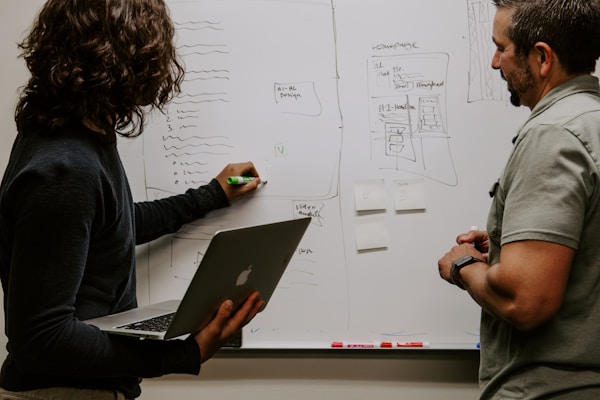
Researchers & Academics
Academic integrity is under threat from AI-generated imagery in research papers, manipulated data visualizations, and fabricated experimental results. Traditional peer review cannot detect sophisticated manipulations.
How VerifyReal Helps
Research institutions use VerifyReal to screen submitted papers for image manipulation. Our forensic-level analysis detects copy-paste manipulations, AI generation, and image splicing that human reviewers miss.
Example Scenario
“A peer reviewer notices something odd about a microscopy image in a submitted paper. VerifyReal analysis reveals the image was composited from three different sources with different noise patterns and compression artifacts—the paper is rejected for fabrication.”
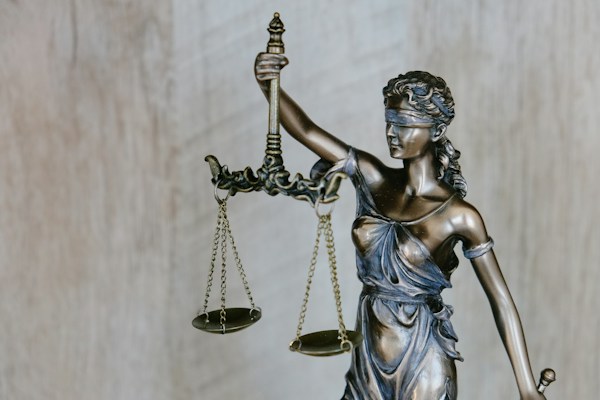
Legal Professionals
Digital evidence is increasingly challenged in court. Lawyers need to verify the authenticity of photographic evidence, while also being able to identify manipulated evidence submitted by opposing parties.
How VerifyReal Helps
VerifyReal provides detailed forensic reports suitable for legal proceedings. Our analysis documents the specific indicators of manipulation or authenticity, with confidence scores that expert witnesses can reference.
Example Scenario
“In a custody dispute, one party submits photos allegedly showing unsafe conditions. The opposing counsel runs them through VerifyReal—the analysis reveals metadata inconsistencies and editing artifacts, demonstrating the photos were manipulated.”

Online Marketplaces
Fake product images, AI-generated reviews with stolen photos, and manipulated condition photos plague online marketplaces. Buyers can't trust what they see, and platforms struggle to maintain trust.
How VerifyReal Helps
Marketplace platforms integrate VerifyReal to automatically screen product listings. Flag AI-generated images, detect photos stolen from other listings, and identify condition misrepresentation before items go live.
Example Scenario
“A luxury watch marketplace automatically screens new listings. VerifyReal flags a supposedly 'mint condition' Rolex—the image shows telltale signs of condition manipulation, with scratches digitally removed. The listing is flagged for review.”

Insurance Claims Processing
Insurance fraud costs the industry $80 billion annually. Claimants submit manipulated photos of damage, staged accidents, and AI-generated documentation. Manual review can't keep up with the volume.
How VerifyReal Helps
Integrate VerifyReal into your claims processing workflow. Automatically flag suspicious images for human review, detect common fraud patterns, and build a database of known manipulated evidence.
Example Scenario
“A homeowner submits photos of water damage for an insurance claim. VerifyReal analysis reveals the images were taken from a different location and digitally edited to add water stains—the fraudulent claim is denied, saving thousands.”
Ready to Verify What's Real?
Join thousands of professionals who trust VerifyReal to detect deepfakes and verify image authenticity.