The Legal Status of Deepfakes: What You Need to Know in 2026
Reading Time: 6 minutes | Category: Educational
In an era where AI can generate incredibly realistic images, videos, and audio, the question on everyone's mind is: are deepfakes illegal? The answer is complex and rapidly evolving. As of 2026, governments worldwide are scrambling to regulate AI-generated synthetic media, creating a patchwork of laws that vary by jurisdiction and application.
This guide will walk you through the current legal status of deepfakes, exploring key legislation in the United States, the European Union, and the United Kingdom, and what it means for the future of digital trust. If you're new to deepfakes, you may want to start with our Complete Guide to Deepfake Detection for a comprehensive overview.
The Gray Zone: Legal vs. Illegal Deepfakes
Not all deepfakes are created equal. The legality of a deepfake often depends on its intent and impact. While some applications are harmless, others fall squarely into the category of criminal activity.
| Legal Uses | Illegal Uses |
|---|---|
| Satire and Parody | Fraud and Financial Scams (see our case study on the $25 million deepfake fraud) |
| Film and Entertainment (with consent) | Non-Consensual Intimate Imagery (NCII) |
| Art and Creative Expression | Defamation and Libel |
| Education and Training | Election Interference and Misinformation |
A staggering 96% of deepfake videos online are non-consensual pornography, with nearly all of them featuring women as victims [1]. This alarming statistic has been a major catalyst for new deepfake legislation.
Deepfake Laws in the United States
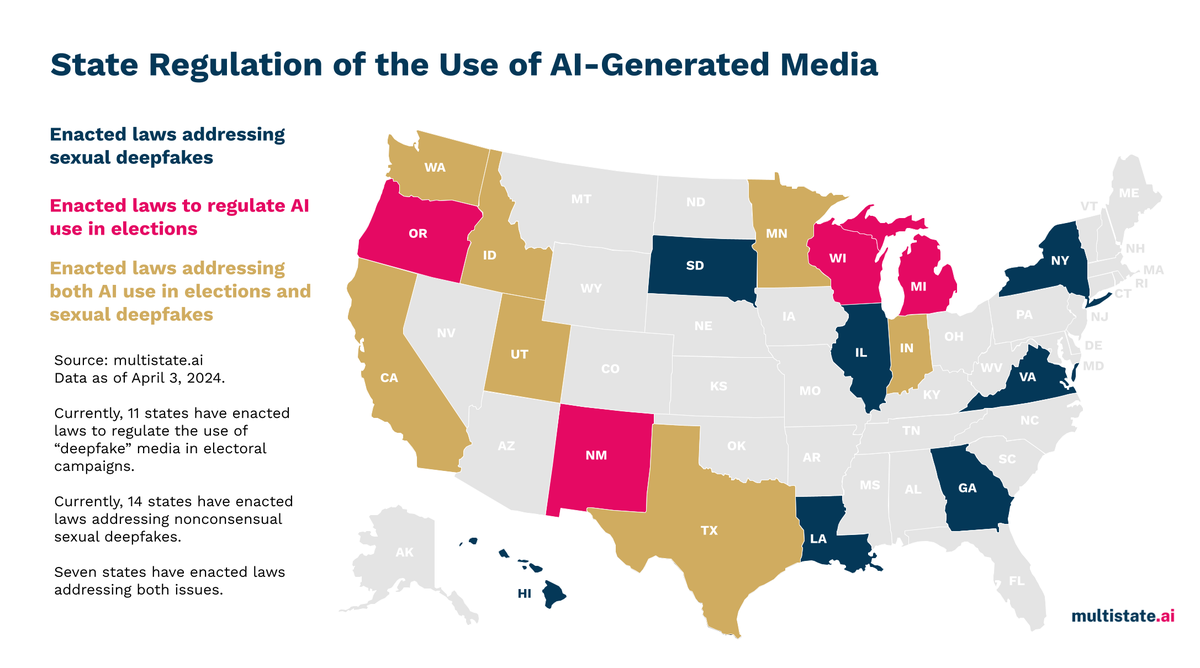
The US has adopted a state-by-state approach to deepfake regulation, with a growing number of federal laws now in place.
Federal Legislation
The most significant federal law is the TAKE IT DOWN Act, signed into law in May 2025. This act criminalizes the publication of non-consensual intimate imagery, including AI-generated deepfakes, and requires online platforms to remove such content within 48 hours of a valid report [2].
Several other federal bills are under consideration, including:
- DEEPFAKES Accountability Act: Aims to protect national security and provide legal recourse for victims.
- AI Labeling Act: Proposes mandatory watermarks or labels on all AI-generated content.
State-Level Laws
Over 45 states have enacted their own deepfake laws. Key examples include:
- Tennessee's ELVIS Act (2024): Protects an individual's voice and likeness as a property right.
- Texas, California, and New York: Have specific laws targeting deepfakes in elections and non-consensual pornography.
Deepfake Regulations in the European Union
The EU has taken a more comprehensive approach with its landmark AI Act, which came into effect in August 2024.
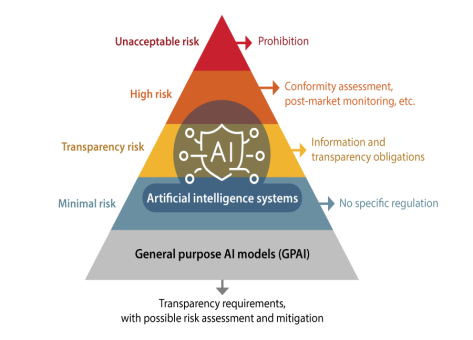
Under the AI Act, deepfakes are subject to strict transparency requirements. Any AI-generated content that depicts real people, places, or events must be clearly labeled as artificially manipulated. Failure to comply can result in fines of up to €35 million or 7% of a company's global annual turnover [3].
Key provisions include:
- Mandatory disclosure: AI-generated content must be labeled
- High-risk classification: Deepfakes used in critical sectors face additional scrutiny
- Provider obligations: Companies creating or distributing deepfakes must maintain compliance records
Deepfake Laws in the United Kingdom
The UK has also taken significant steps to combat malicious deepfakes through its Online Safety Act 2023. This law made it a criminal offense to share non-consensual intimate deepfakes.
The Criminal Justice Bill (2024-2025) went a step further, criminalizing the creation of sexually explicit deepfakes, not just the act of sharing them, with penalties of up to two years in prison [4].
Key provisions include:
- Creation offense: Making sexually explicit deepfakes is now illegal
- Platform liability: Social media companies must remove flagged content promptly
- Victim support: New resources for those targeted by deepfake abuse
The Role of Detection in a Complex Legal Landscape
While these laws are a crucial step forward, they also highlight the immense challenge of enforcement. Proving the origin of a deepfake and identifying its creator can be incredibly difficult. This is where deepfake detection technology becomes essential. Learning to spot the signs of a deepfake is a critical skill in today's digital landscape.
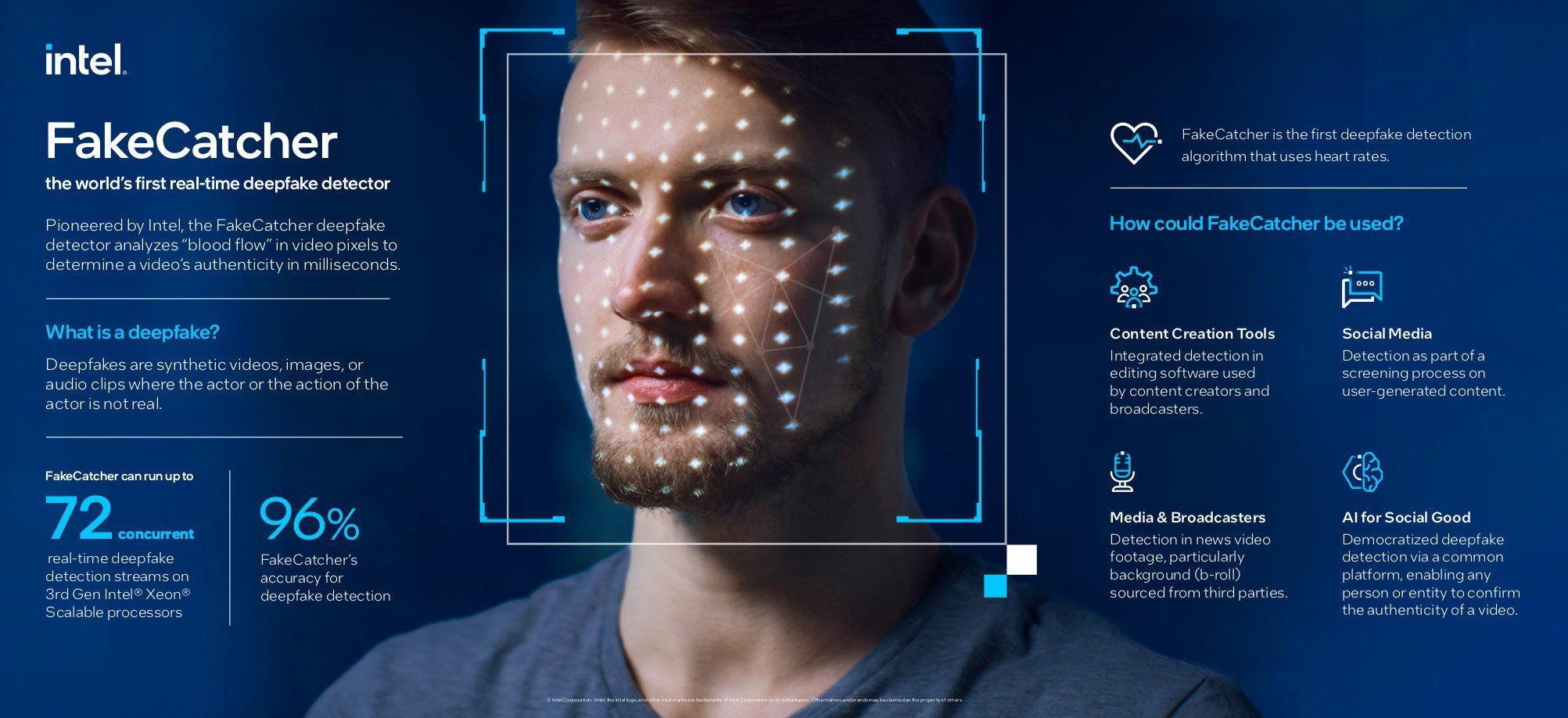
Tools like VerifyReal play a vital role in this new legal landscape by providing:
- Evidence for Legal Cases: Verifying whether a piece of media is AI-generated is the first step in any legal action.
- Compliance and Risk Management: Businesses can use detection tools to ensure they are not inadvertently hosting or distributing illegal deepfakes.
- Protecting Digital Identity: In a world where your likeness can be stolen and manipulated, proactive detection is a critical form of digital identity protection.
As deepfake technology continues to evolve, the legal frameworks governing it will undoubtedly become more complex. Staying informed and utilizing advanced detection tools are the best ways to navigate this new reality and protect yourself from the growing threat of AI-generated deception.
Conclusion: Navigating the Future of Deepfake Legislation
The legal landscape surrounding deepfakes is evolving at an unprecedented pace. What was once a legal gray area is now the subject of comprehensive legislation across the globe. As AI technology continues to advance, we can expect these laws to become even more stringent and far-reaching.
For individuals and businesses alike, the key takeaways are clear:
- Understand the laws in your jurisdiction — What's legal in one country may be criminal in another
- Use deepfake detection tools to protect yourself and your organization
- Stay informed about the latest developments in this rapidly changing field
Want to verify if an image or video is a deepfake? Try VerifyReal for free and get instant results powered by our multi-layered AI detection technology.
Related Articles
- 5 Clear Signs of a Deepfake (And How to Spot Them)
- The Complete Guide to Deepfake Detection
- Case Study: The $25 Million Deepfake Fraud That Fooled Everyone
- How VerifyReal's Technology Works
References
[1] Ondato. (2026, January 9). Deepfake Laws Explained: Global Regulations and Legal Risks. https://ondato.com/blog/deepfake-laws/
[2] Skadden. (2025, June 10). 'Take It Down Act' Requires Online Platforms To Remove Unauthorized Intimate Images or Deepfakes. https://www.skadden.com/insights/publications/2025/06/take-it-down-act
[3] European Parliament. (2024, August). EU AI Act: first regulation on artificial intelligence. https://www.europarl.europa.eu/news/en/headlines/society/20230601STO93804/eu-ai-act-first-regulation-on-artificial-intelligence
[4] UK Government. (2024). Online Safety Act 2023. https://www.gov.uk/government/collections/online-safety-act
Have questions about deepfake legislation or detection? Contact us at support@verifyreal.ai