5 Clear Signs of a Deepfake (And How to Spot Them)
Reading Time: 8 minutes | Category: Educational
In today's digital world, seeing isn't always believing. With the rise of deepfake technology, it's easier than ever to create convincing fake videos and images that can be used for everything from harmless fun to serious fraud and misinformation. But don't worry—you don't need to be a tech expert to protect yourself. Many deepfakes still have tell-tale signs that give them away.
This guide will walk you through five of the clearest signs of a deepfake. We'll use simple, non-technical language and visual examples to turn you into a more discerning digital citizen. By the end of this article, you'll have the confidence to question what you see and the skills to spot a potential fake.
Want a deep dive into the world of synthetic media? Check out our comprehensive pillar page: The Complete Guide to Deepfake Detection.
Sign 1: Unnatural Eyes and Blinking
The eyes are often called the window to the soul, and in the case of deepfakes, they're a window into the fake. AI models struggle to replicate the complex and subtle movements of human eyes.
What to Look For:
- Strange Blinking Patterns: Real people blink, on average, every 2-10 seconds, and each blink takes about 0.1-0.4 seconds. AI-generated characters might blink too much, not enough, or at an unnatural pace. Sometimes, their eyes might not blink at all.
- Lack of Eye Movement: In a real video, a person's eyes will naturally dart around, tracking objects and reacting to their environment. Deepfaked eyes often have a fixed, staring quality, or their movements seem robotic and disconnected from the scene.
- Inconsistent Reflections: The reflection in a person's eyes (known as specular highlights) should match the lighting of the environment. If two eyes have different reflections, or the reflections don't match the visible light sources, it's a major red flag. Researchers have even developed detection methods based on this single flaw.
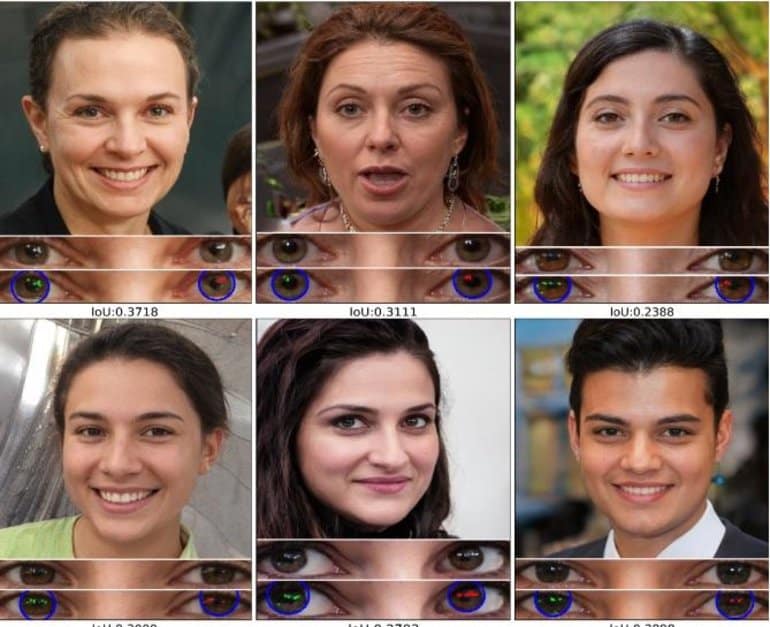
Action Tip: Pause the video and zoom in on the eyes. Do they look natural? Is the blinking pattern consistent? Do the reflections make sense?
Sign 2: Awkward Lip-Syncing and Facial Expressions
Matching lip movements to speech is incredibly complex, involving the precise coordination of dozens of tiny muscles. While deepfake technology has improved, lip-syncing remains a common area of failure.
What to Look For:
- Mismatched Mouth Movements: The most obvious sign is when the shape of the mouth doesn't perfectly align with the sounds being produced. The sync might be slightly off, or the mouth shapes for certain sounds (like "M" or "B") might look wrong.
- Blurry or Warped Mouth: Look closely at the edges of the lips. In many deepfakes, this area will appear blurry, distorted, or pixelated as the AI struggles to blend the synthetic mouth with the rest of the face.
- Stiff or Limited Expressions: Human faces are incredibly expressive. We use subtle cues like cheek twitches, eyebrow raises, and nostril flares to convey emotion. Deepfakes often have a "plastic" or "botoxed" look, with limited emotional range. The expressions may seem disconnected from the tone of voice.
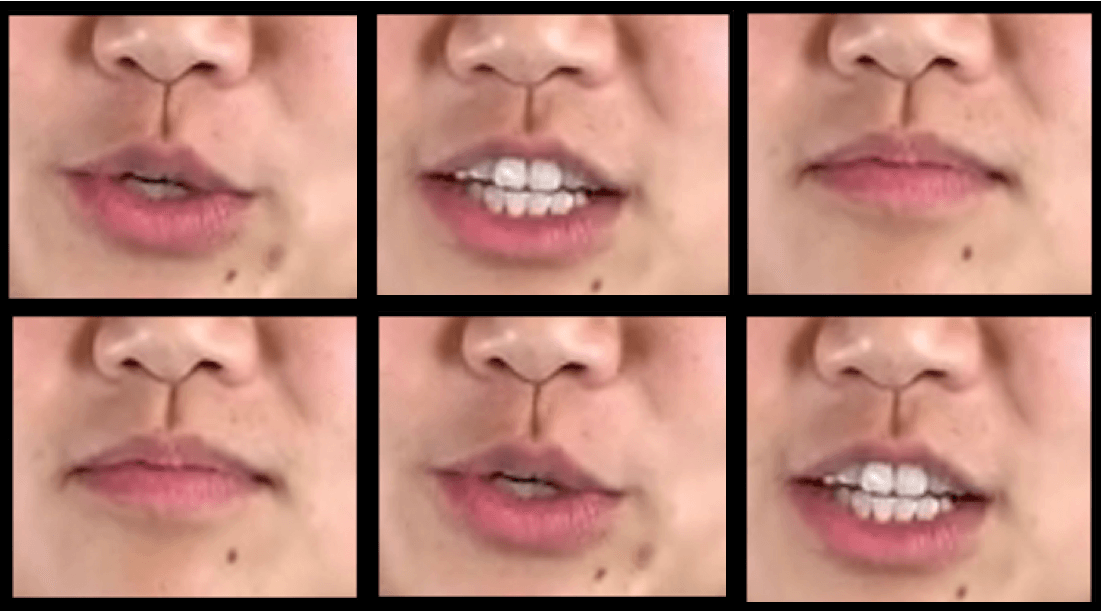
Action Tip: Focus on the mouth while the person is speaking. Does the movement look natural and fluid? Do the expressions match the emotional context of their words?
Sign 3: Weird Artifacts and Blurring
Creating a seamless deepfake requires blending a synthetic face onto an existing video. This process often leaves behind digital artifacts—small errors or glitches that can give the fake away.
What to Look For:
- Blurry Edges: Pay attention to the line where the face meets the hair, neck, or background. You might see a blurry, smudged, or flickering outline. This is where the AI has struggled to create a clean transition.
- Digital "Blockiness": In lower-quality videos, you might see strange blocky patterns or pixelation, especially during moments of high motion. This can be a sign of digital manipulation.
- Inconsistent Skin Tone: The skin on the face might have a slightly different tone or texture compared to the neck and chest. The lighting on the face might also not match the lighting on the rest of the body.
- Morphing Features: Look for small features like moles, scars, or wrinkles that seem to appear, disappear, or move around the face. AI can struggle to keep these details consistent from frame to frame.
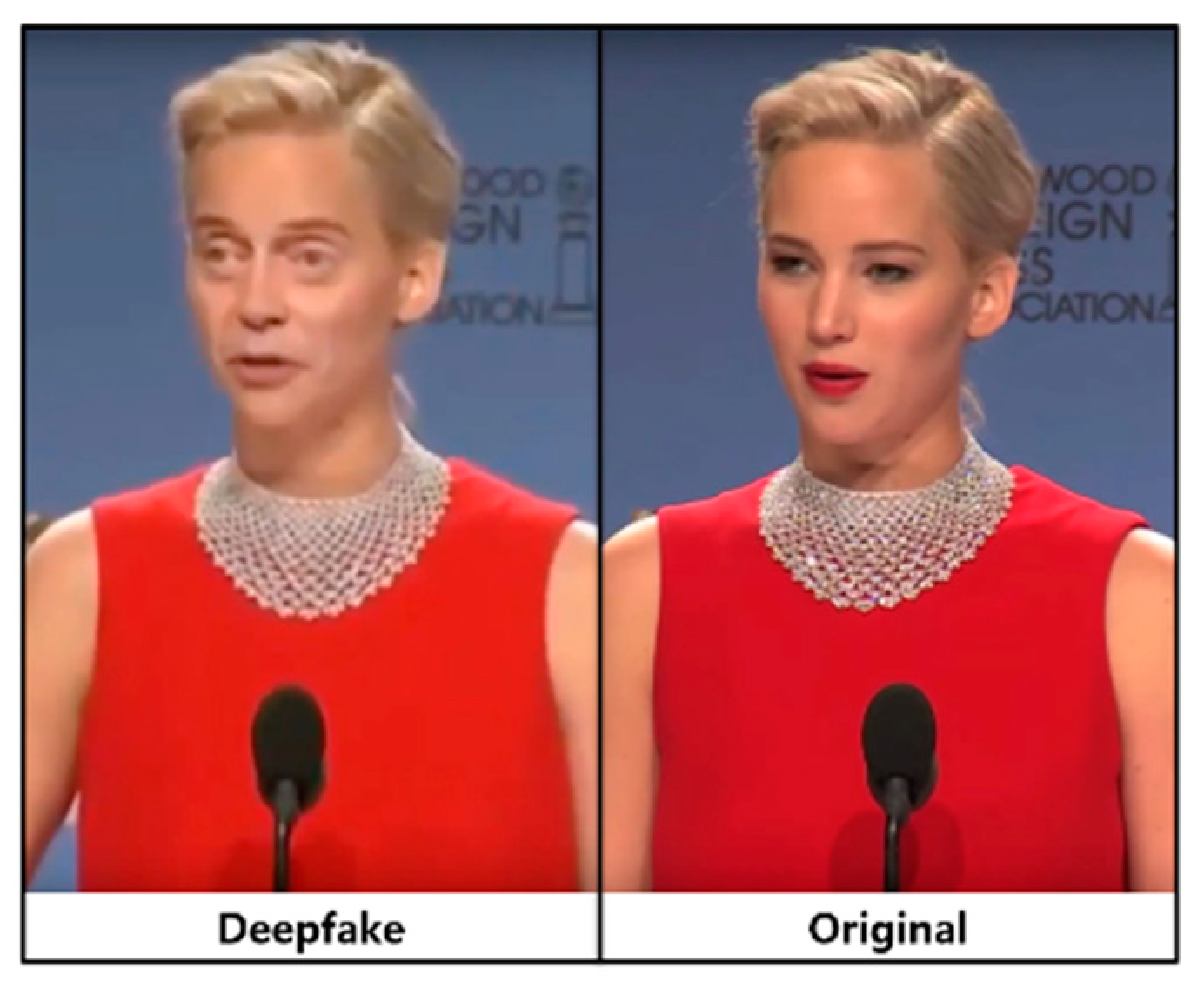
Action Tip: Look at the whole picture, not just the center of the face. Examine the edges, the background, and the way the person's head moves. Are there any strange visual glitches?
Sign 4: Unnatural Hair and Accessories
While AI has gotten very good at rendering faces, it often has trouble with fine, complex details like hair and accessories.
What to Look For:
- Flyaway Hairs: Individual strands of hair that move naturally in the wind or with head movements are very difficult to replicate. Deepfaked hair often looks like a solid block, with no fine, flyaway strands. The hairline might also look blurry or unnaturally sharp.
- Warping Jewelry: Earrings, necklaces, and glasses can be a dead giveaway. Look for jewelry that seems to warp, flicker, or even disappear for a frame or two. The reflection in glasses might be distorted or not match the environment.
- Teeth Inconsistencies: AI can struggle with rendering individual teeth. Look for teeth that seem to blend together, are unnaturally perfect, or have a strange, blocky appearance.
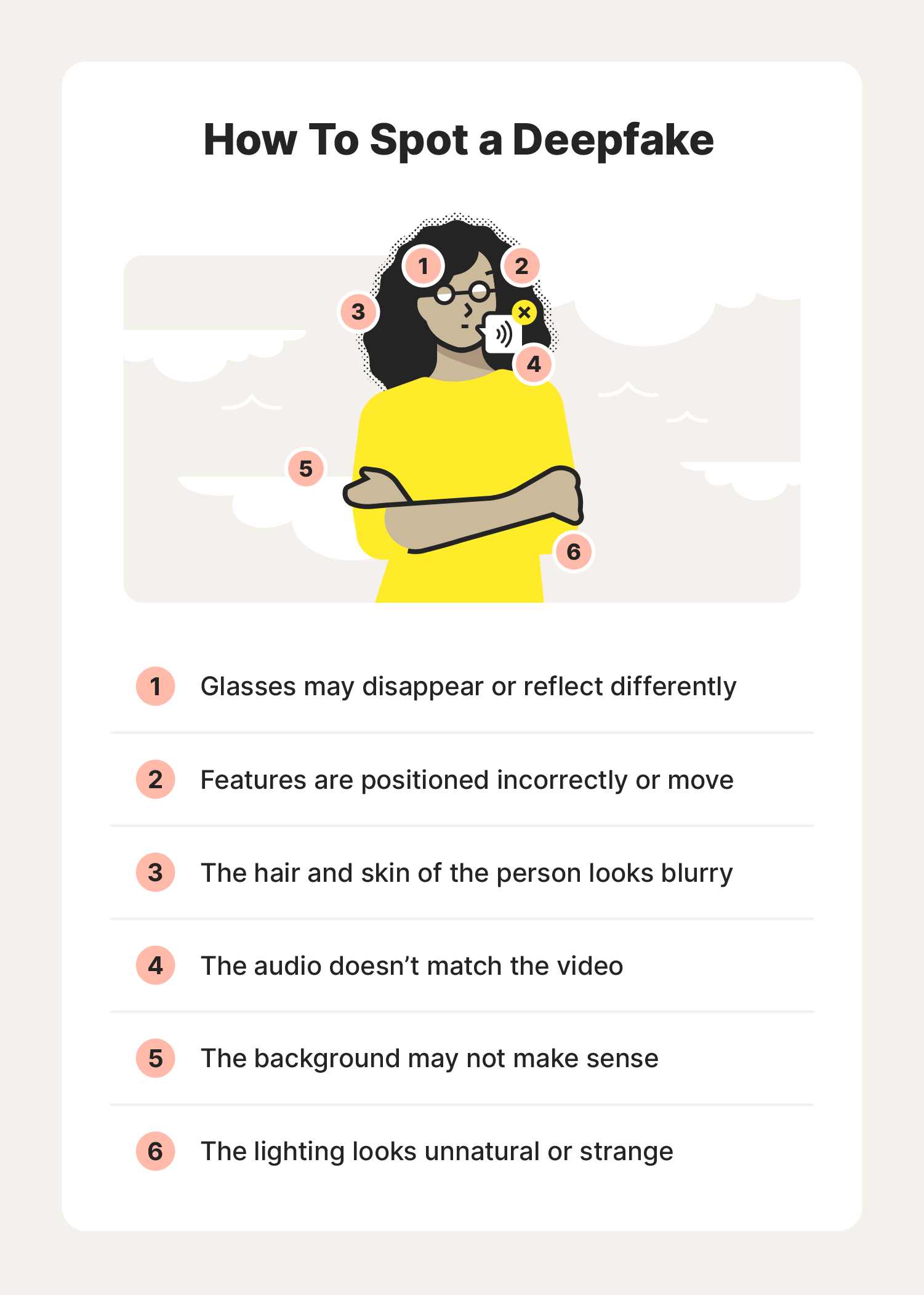
Action Tip: Pay attention to the details. Does the person's hair move naturally? Do their glasses and jewelry look right? These small elements are often where the AI makes mistakes.
Sign 5: Audio and Contextual Clues
Not all clues are visual. The audio of a video and the context in which it's presented can also be powerful indicators of a fake.
What to Look For:
- Robotic or Flat Audio: Even with advanced voice cloning, the audio can sometimes sound monotonous, lack emotional inflection, or have a subtle digital quality. Listen for unnatural cadence, strange pauses, or mispronounced words.
- No Background Noise: Real videos usually have some form of ambient sound—a passing car, a humming air conditioner, or the chatter of a crowd. If the audio is perfectly clean with no background noise, it might have been synthetically generated.
- Out-of-Character Behavior: This is a big one. Does the person in the video seem to be acting strangely? Are they saying something that is completely out of character for them? Is the message designed to make you angry, scared, or excited? A strong emotional appeal combined with an urgent call to action is a classic manipulation tactic.
Action Tip: Close your eyes and just listen to the audio. Does it sound like a real person speaking in a real environment? Then, think about the context. Why is this video being shown to you? What does the creator want you to do or believe?
Conclusion: Trust, But Verify
Learning to spot the signs of a deepfake is an essential skill for navigating the modern world. By paying attention to the eyes, mouth, edges, and audio, you can become much better at identifying potentially manipulated content.
However, as technology improves, the best deepfakes will become virtually undetectable to the naked eye. For situations where the stakes are high—such as in business, journalism, or legal matters—relying on human observation alone isn't enough.
That's where technology like VerifyReal comes in. Our advanced AI is trained to see the subtle, invisible artifacts that even the best deepfakes leave behind, providing a level of certainty that the human eye can't match.
Think you've spotted a fake? Don't just guess. Be sure.
Try VerifyReal for Free and Analyze Your First Image Now
References
[1] Matern, F., Riess, C., & Stamminger, M. (2019). Exploiting Visual Artifacts to Expose Deepfakes and Face Manipulations.
[2] Agarwal, S., Farid, H., Gu, Y., He, M., Nagano, K., & Li, H. (2020). Protecting World Leaders Against Deep Fakes. CVPR 2020.
[3] Deepware. (2023). Deepfake Detection Dataset.
[4] Norton. (2023). What are deepfakes? How they work and how to spot one.